Global Radar
By Jully Albert
Table of Contents
Why Papaya Is Getting Attention for Digestive Health
Exploring the papaya benefits for gut health is a great way to see whether adding this tropical fruit to your daily diet can improve digestion.
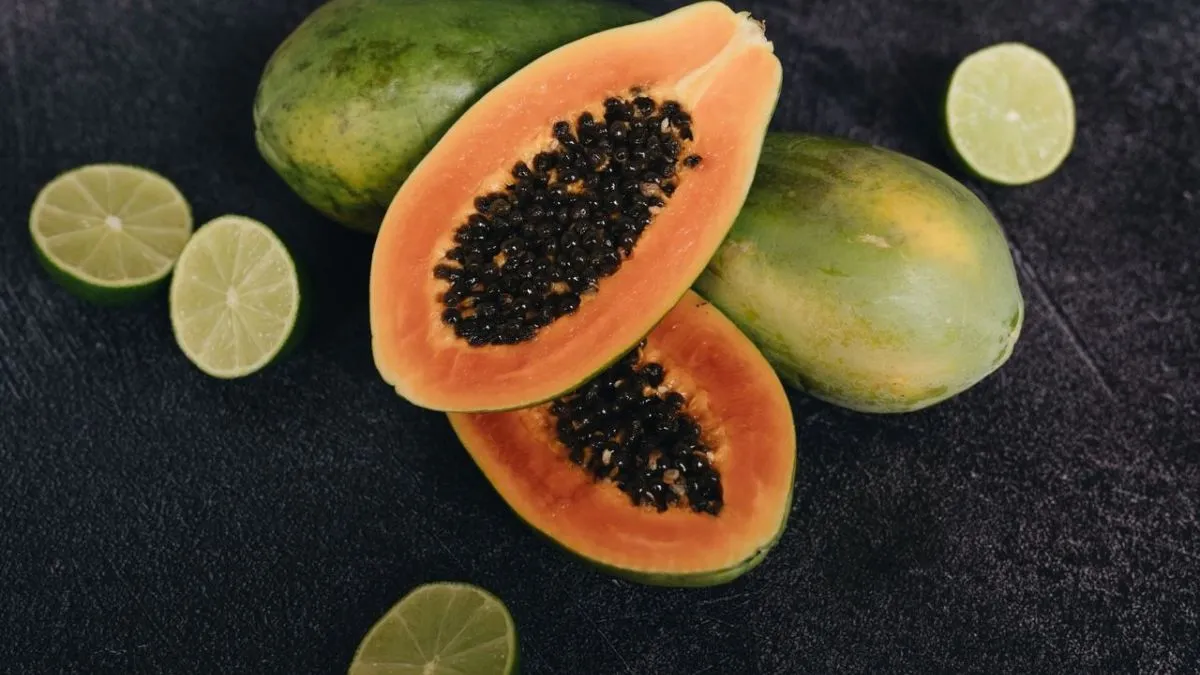
Papaya is a tropical fruit known for its naturally sweet flavor, vibrant orange flesh, and impressive nutritional profile. But beyond its taste, this fruit contains dietary fiber, vitamin C, and other essential nutrients that make it worth exploring as part of a balanced diet.
According to the Cleveland Clinic’s guide to papaya benefits, papaya provides important nutrients, including fiber and vitamin C, and may offer several potential health benefits. Its nutritional composition makes it a practical addition to meals for people looking to improve the variety and quality of their diet.
One reason papaya attracts attention is its relationship with digestive wellness. Understanding the main papaya benefits for gut health helps you make better choices for your daily diet. Many people are interested in foods that support regular bowel movements, help them meet their daily fiber needs, and contribute to a healthy eating pattern.
However, it is important to separate established nutritional facts from health claims that still require more research.
In this article, we will explore the potential papaya benefits for gut health, explain what research says about its fiber and natural enzyme called papain, and share simple ways to enjoy this tropical fruit. We will also look at the limits of the available evidence so you can make informed decisions about your digestive wellness routine.
Papaya Benefits for Gut Health: What Makes This Fruit Nutritious?
When discussing papaya benefits for gut health, it helps to start with its overall nutritional composition.
According to the Cleveland Clinic, one small papaya weighing approximately 157 grams contains about 2.6 grams of dietary fiber and 95.6 milligrams of vitamin C. The fruit also provides carbohydrates, potassium, and other essential micronutrients.
These nutrients matter because digestive health is influenced by overall eating habits, not by one isolated food alone.
Dietary Fiber and Digestive Regularity
Fiber is one of the primary reasons to include papaya in a balanced eating pattern. Dietary fiber contributes to normal bowel function, helping to soften stool and increase its bulk for smoother transit.
The National Institute of Diabetes and Digestive and Kidney Diseases (NIDDK) explains that adults generally need 22 to 34 grams of fiber daily, depending on age and sex. The institute also recommends increasing fiber intake gradually while drinking enough liquids to help fiber work effectively.
Papaya can contribute meaningfully to your daily fiber intake, though a single serving does not provide all the fiber your body needs. Pairing it with other fiber-rich foods—such as oats, beans, vegetables, and whole grains—is a practical way to build a varied and healthy diet.
Vitamin C and Overall Nutrition
Papaya is also an exceptional source of vitamin C, an essential nutrient that supports normal immune function and collagen production. Although vitamin C is not a direct treatment for constipation, it contributes to overall cellular and tissue health throughout the digestive tract.
Including a variety of colorful fruits and vegetables provides diverse vitamins, minerals, and protective plant compounds. Papaya is a great choice among many, meaning there is no need to rely solely on one fruit to meet all your daily requirements.
Water Content and Hydration
Papaya has a high water content, which directly contributes to your overall daily fluid intake. Adequate hydration is crucial for general wellness and is especially relevant when increasing your intake of dietary fiber.
The NIDDK notes that drinking enough liquids helps fiber absorb water, making stools softer and easier to pass.
While eating papaya supports your hydration goals, it does not replace drinking sufficient fluids throughout the day. Your specific hydration needs will depend on factors such as activity level, climate, and overall health status.
Can Papaya Help With Constipation?
Yes, papaya can help support bowel regularity. Among the main papaya benefits for gut health, its combination of dietary fiber and high water content helps add bulk to stool and promotes natural movement through the digestive tract.
According to the National Institute of Diabetes and Digestive and Kidney Diseases (NIDDK), getting between 22 and 34 grams of fiber daily is key for preventing sluggish digestion. A small papaya weighing approximately 152 grams provides about 3 grams of fiber, making it a convenient food choice to help reach those daily targets.
However, papaya is not a guaranteed cure for severe or chronic constipation. Results depend on your total daily diet, fluid intake, physical activity level, medications, and individual gut motility.
Note: If constipation persists for long periods or is accompanied by severe abdominal pain, vomiting, or blood in the stool, consult a qualified healthcare provider immediately.
Papain: Does Papaya Really Help Digestion?
One of the most unique features of papaya is a naturally occurring proteolytic enzyme called papain. These natural enzymes add to the overall papaya benefits for gut health by aiding in protein breakdown into smaller amino acids, which is why papaya extract is frequently used as a meat tenderizer.
Research into papain shows that this enzyme can assist in protein digestion within the digestive tract. Some clinical studies evaluating papaya-based concentrated preparations have noted improvements in mild digestive discomfort, such as bloating or indigestion.
However, it is important to distinguish between fresh papaya fruit and concentrated digestive enzyme supplements:
- Fresh Fruit: Contains natural papain along with dietary fiber, water, and essential vitamins.
- Enzyme Supplements: Contain concentrated doses of enzymes designed for specific therapeutic purposes.
For most individuals, eating ripe papaya is a refreshing way to support natural digestion, but papain should be viewed as one helpful component of a healthy diet rather than a standalone medical treatment for gastrointestinal disorders.
Papaya and the Gut Microbiome: What Does Research Say?
The gut microbiome consists of trillions of microorganisms residing in the digestive tract that influence overall health. Diet is one of the most significant factors influencing the composition of this internal ecosystem. Scientific interest in the papaya benefits for gut health continues to grow as researchers study prebiotic fiber.
Dietary fiber serves as a key prebiotic energy source for beneficial gut bacteria, which ferment these fibers into short-chain fatty acids (SCFAs).
A 2021 study published in Food Chemistry (available via PubMed) evaluated how dietary fibers from ripe and unripe papaya were processed by gut microorganisms using an in vitro colonic fermentation model. Researchers observed that papaya fibers were successfully fermented by intestinal microbiota and that ripeness influenced the specific fermentation process.
While laboratory models provide valuable scientific insights, further human clinical trials are needed to fully understand how regular papaya consumption alters the human gut microbiome long-term. Nevertheless, incorporating fiber-rich fruits like papaya remains a solid strategy for supporting overall microbial diversity.
How to Eat Papaya for Digestive Wellness
To maximize the potential papaya benefits for gut health, integrate it thoughtfully into a balanced eating routine:
- Enjoy Fresh and Ripe: Eat ripe papaya on its own, diced as a morning snack, or added to fresh fruit salads.
- Combine with Prebiotics & Protein: Pair papaya with Greek yogurt, chia seeds, or oatmeal for a complete, fiber-rich meal.
- Prioritize Hydration: Drink plenty of water throughout the day to ensure dietary fiber moves smoothly through the digestive system.
- Increase Fiber Gradually: If your diet is currently low in fiber, introduce papaya and other fiber sources slowly to minimize temporary gas or bloating.
- Listen to Your Body: Pay attention to how your body responds and adjust portion sizes according to your personal comfort.
Special Consideration: Pregnant individuals should consult a healthcare provider regarding the consumption of unripe or semi-ripe papaya, as unripe fruit contains latex compounds that may trigger uterine contractions. Fully ripe papaya does not pose this same concern.
Fresh Papaya vs. Digestive Supplements: What’s the Difference?
Both fresh papaya and targeted digestive supplements can play a role in a comprehensive gut health routine, but they function differently. Evaluating both options highlights how key papaya benefits for gut health differ from concentrated products.
Fresh Papaya vs. Digestive Supplements: A Quick Comparison
| Feature | Fresh Papaya | Digestive Supplements |
| Main Purpose | Whole food providing natural nutrition | Concentrated ingredients for targeted support |
| Dietary Fiber | Naturally rich in dietary fiber | Usually little to no fiber (unless formulated) |
| Key Nutrients | Vitamin C, folate, water, and antioxidants | Varies depending on specific product formula |
| Digestive Enzymes | Contains natural papain enzyme | May contain targeted enzyme blends |
| Probiotics | Does not contain live probiotic strains | Frequently includes specific probiotic strains |
Which Option Is Better for Gut Health?
For everyday foundational nutrition, whole fresh papaya is an ideal choice that delivers hydration, fiber, and essential micronutrients.
Digestive supplements serve a different purpose. Their benefits depend on specific active ingredients, dosage, formulation, and individual health goals. Rather than seeing them as mutually exclusive, a balanced diet should form your foundation, while targeted supplements can offer additional support when needed.
Looking Beyond Papaya: Is Gut Save Worth Exploring?
While adding fresh fruit to your daily routine is a great step toward better digestion, many individuals seek formatted, comprehensive options to support their daily gut routine.
That is where Gut Save enters the conversation.
If you are exploring options beyond everyday diet modifications and the natural papaya benefits for gut health, you can check Gut Save’s current availability and official ingredients here.
When evaluating any digestive formula, consider the ingredient quality, label transparency, and how well it complements your existing lifestyle habits. A high-quality supplement should always support—never replace—a varied diet, proper hydration, and professional medical guidance.

Frequently Asked Questions About Papaya Benefits for Gut Health
Is papaya good for gut health?
Yes. Papaya supports gut health by delivering dietary fiber, essential vitamins, hydration, and natural digestive enzymes like papain as part of a balanced diet.
Can papaya help you poop?
Yes. Papaya contains dietary fiber and high water content, both of which help soften stool, add bulk, and promote regular bowel movements.
Does papaya contain digestive enzymes?
Yes. Papaya naturally contains papain, a proteolytic enzyme that aids in breaking down dietary proteins during digestion.
Can papaya improve the gut microbiome?
Laboratory studies show that fiber from papaya can be fermented by beneficial gut bacteria. While more human studies are underway, eating fiber-rich papaya supports overall diet diversity.
Is fresh papaya better than a digestive supplement?
They serve different purposes. Fresh papaya provides whole-food nutrients, hydration, and fiber, whereas supplements offer concentrated doses of targeted ingredients like probiotics or specific enzymes.
How much papaya should I eat for digestion?
A standard serving of 1 cup of diced ripe papaya (or about half a small fruit) is a great starting portion to enjoy as part of a daily, fiber-rich diet.
Conclusion: Making Papaya Part of a Gut-Friendly Diet
Papaya is a nutrient-dense tropical fruit that offers distinct advantages for digestive health through its dietary fiber, hydration, vitamin C, and natural papain enzymes. Including it in your diet is a simple and delicious way to increase your daily intake of fruit and fiber.
Ultimately, long-term digestive wellness relies on consistent daily habits: eating a variety of plant foods, staying hydrated, engaging in regular physical activity, and consulting healthcare professionals for persistent issues. In summary, appreciating the papaya benefits for gut health is best done by making this fruit part of a varied, nutrient-dense diet.
FDA Disclaimer
The information in this article is for educational and informational purposes only and is not intended to replace professional medical advice, diagnosis, or treatment. These statements have not been evaluated by the Food and Drug Administration (FDA). Any product discussed is not intended to diagnose, treat, cure, or prevent any disease. Always consult a qualified healthcare professional before starting any new dietary supplement or wellness program.
Editorial Independence Note
This article was independently written for informational and educational purposes. The opinions expressed are my own and intended to help readers make informed wellness decisions. Any product mentioned should be evaluated based on its ingredients, available scientific evidence, and individual health needs.idual health needs.

Jully Albert
Thanks for Reading, and Take Care of Your Gut Health!